Introduction
How do machines learn?
What is Machine Learning?
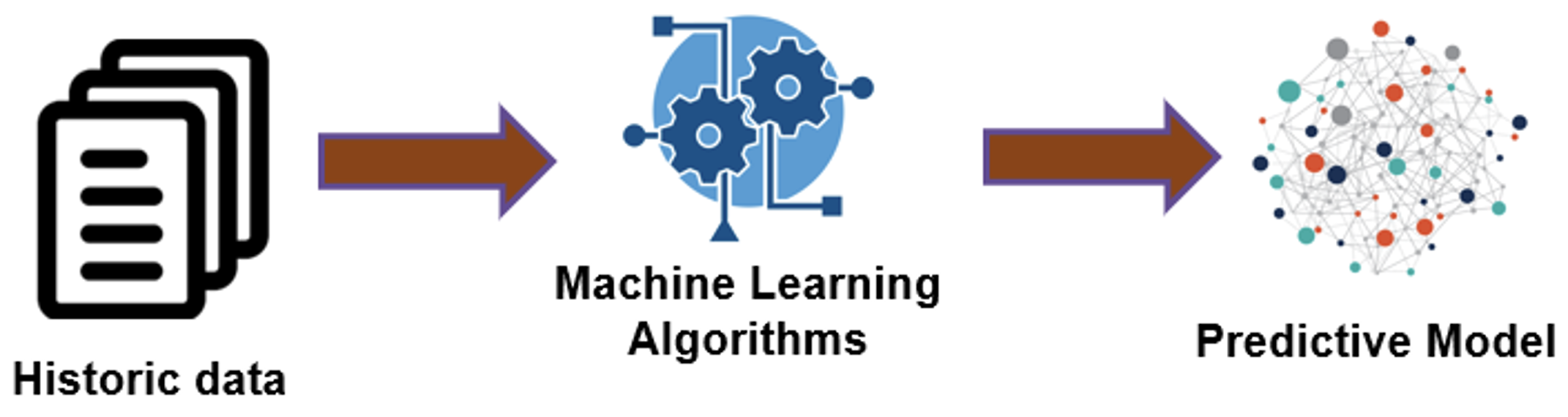
- Computers learn patterns from data — no rules written by hand
- 🗂️ Input: historical data
- 🔧 Process: learning algorithm
- 🤖 Output: predictive model
Machine Learning algorithms, perspectives, and real-world application: Empirical evidence from United States trade data (Sakshi Aggarwal, 2023)
Example: Predicting Rideshare Price
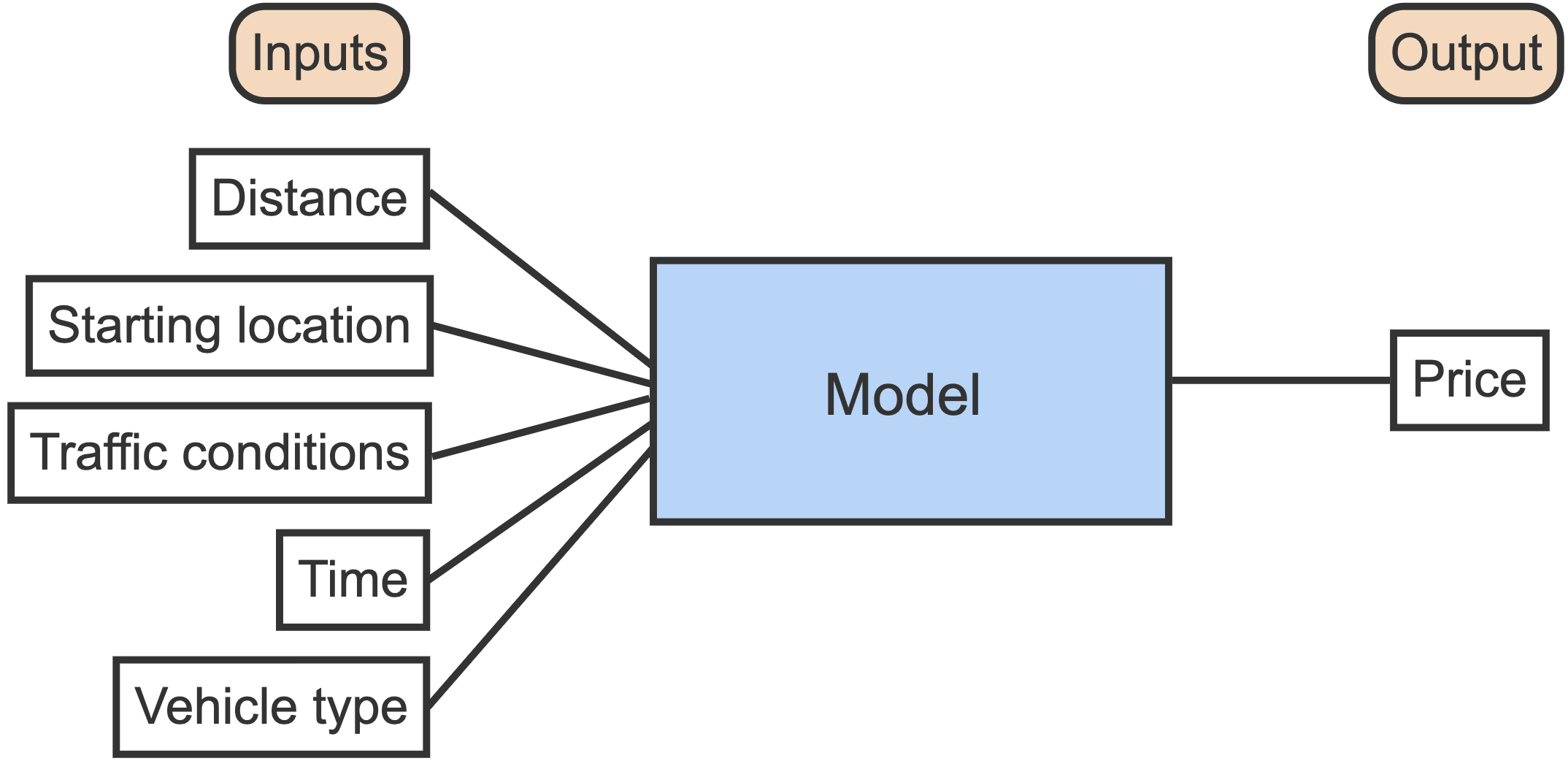
Goal: Predict the price of a ride using input features.
Machine Learning (zyBooks, 2025)
Input and Output Features
- Inputs (predictors, \(\mathbf{X}\)): what you know
- Output (target, response, \(\mathbf{y}\)): what you want to find out
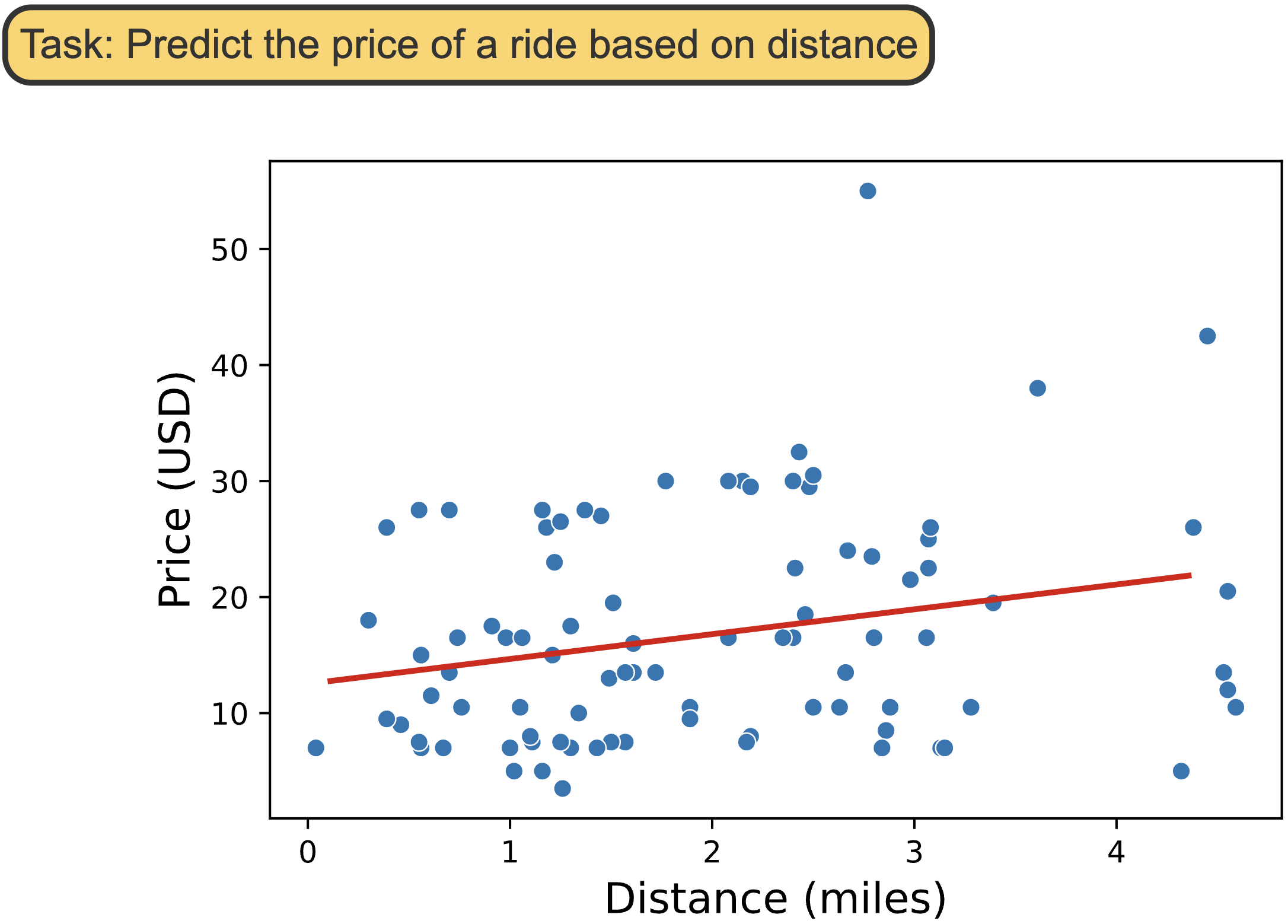
- Ex: distance → model → price
Machine Learning (zyBooks, 2025)
Supervised Learning
- Learns from labeled data: inputs and correct outputs
- Regression → numbers, e.g., ride price $17.32
- Classification → categories, e.g., cat vs. dog
- 📌 Numeric output = regression; categorical = classification
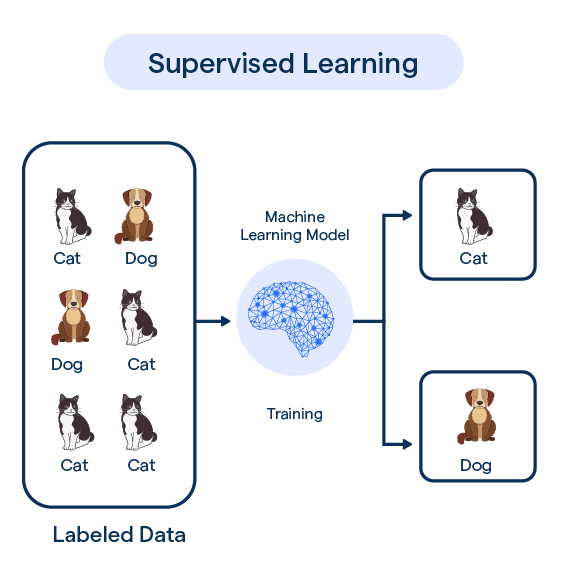
Supervised Learning: Types and Techniques (Bot Pengiun, 2024)
Unsupervised Learning
- Finds structure in unlabeled data — no output labels
- Clustering: commuters, sports fans, tourists
- Outlier detection: rides with abnormally high prices
- Dimensionality reduction: transforming data, e.g., PCA
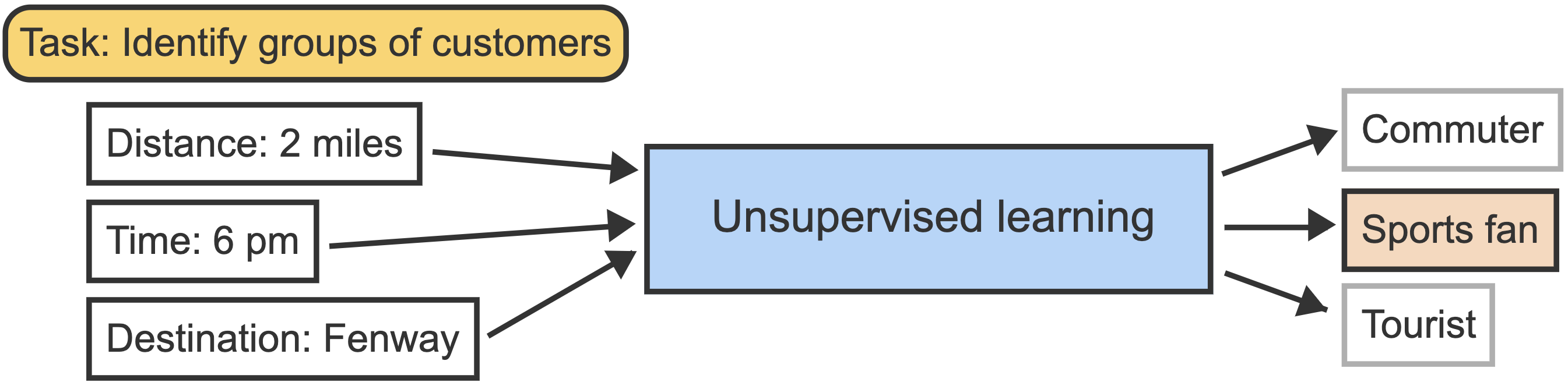
Machine Learning (zyBooks, 2025)
Reinforcement Learning
- Learns by trial and error: take actions, receive feedback
- Agent: the decision-maker
- Environment: where it operates
- Reward: feedback after an action
- Ex: a self-driving car earns rewards for staying in its lane
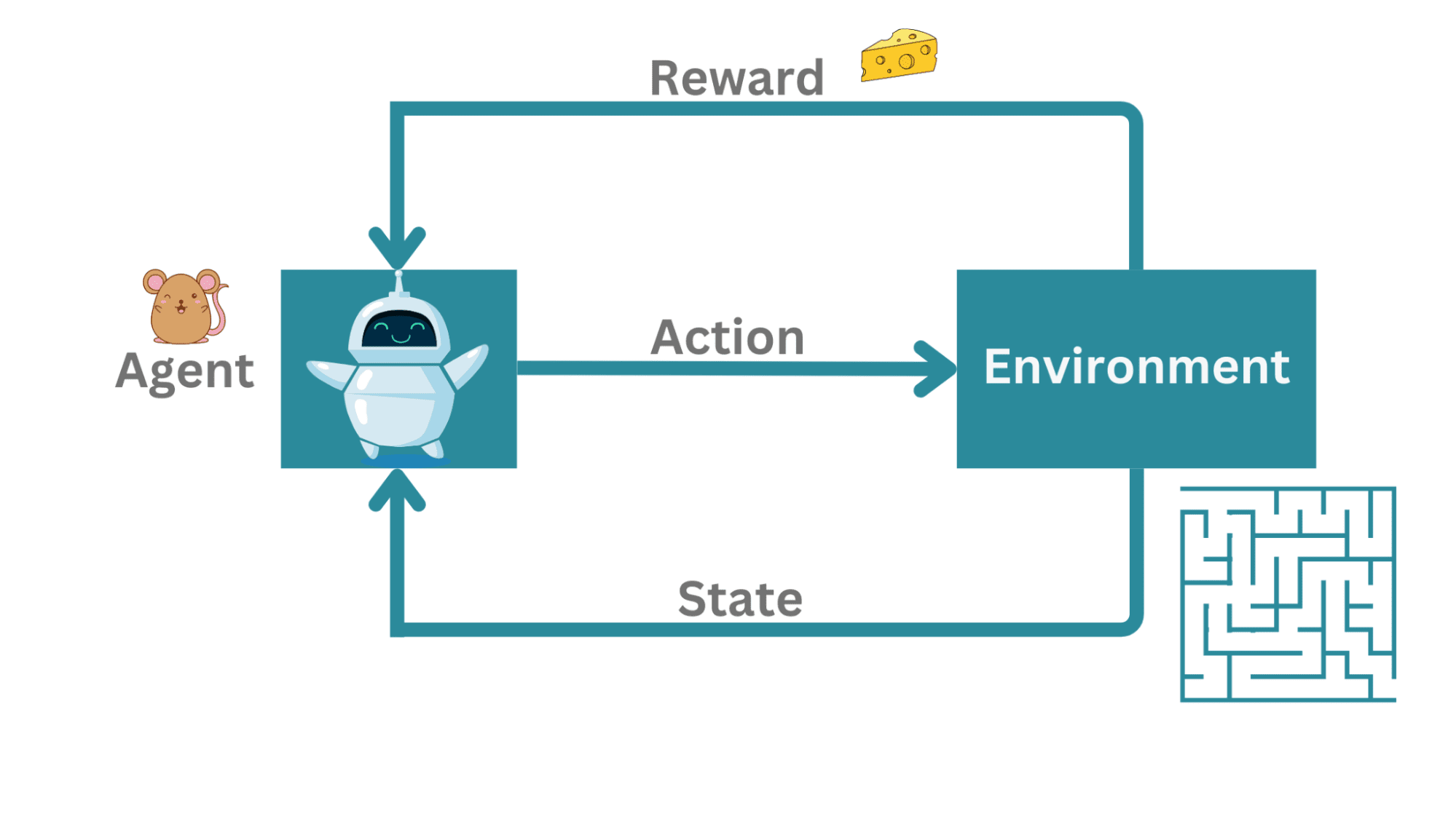
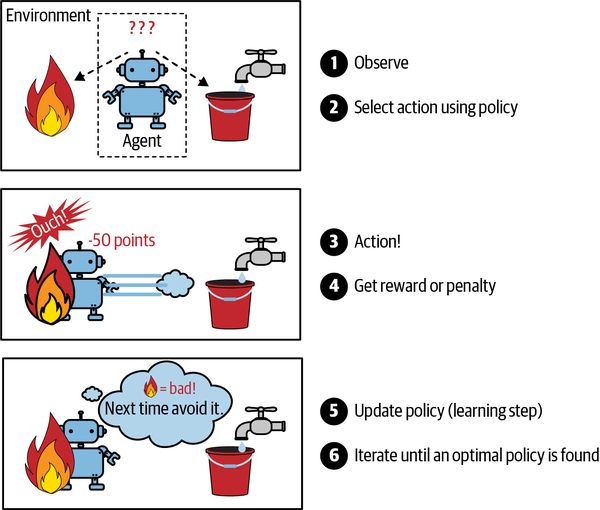
- Reinforcement Learning: Teaching Computers to Make Optimal Decisions (Bala Priya C, 2023)
- Hands-On Machine Learning with Scikit-Learn, Keras, and TensorFlow (Aurélien Géron, 2019)
Semi-Supervised Learning
- Small labeled set + large unlabeled pool
- Ex: 100 rides priced, 10,000 not
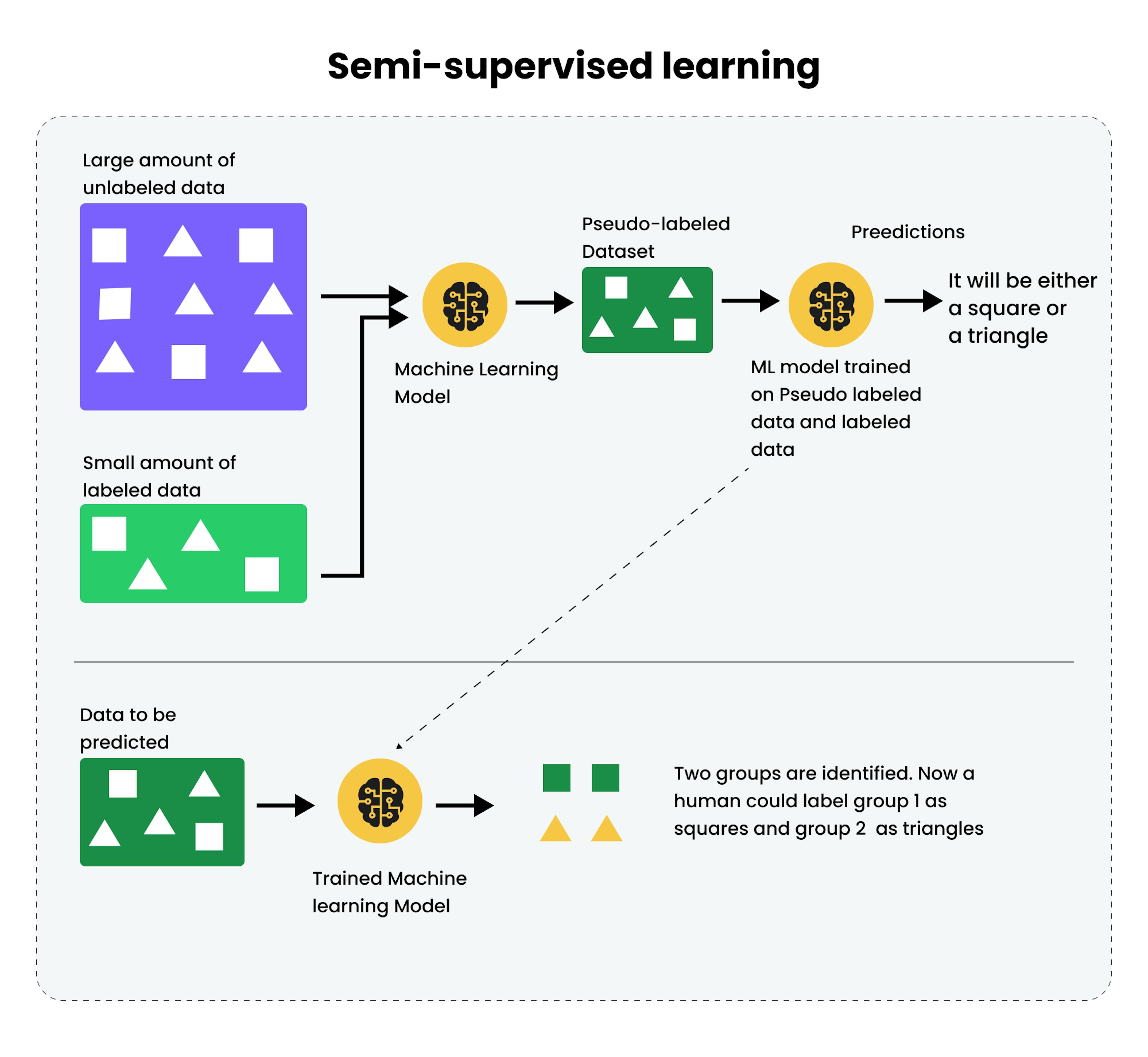
Semi-Supervised Learning Explained: Techniques and Real-World Applications (Roman Panarin, 2024)
Self-Supervised Learning
- Creates its own labels from unlabeled data
- 📘 NLP: mask a word, train the model to guess it
- 📷 Vision: predict the missing part of an image
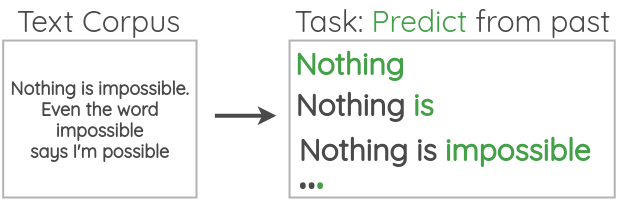
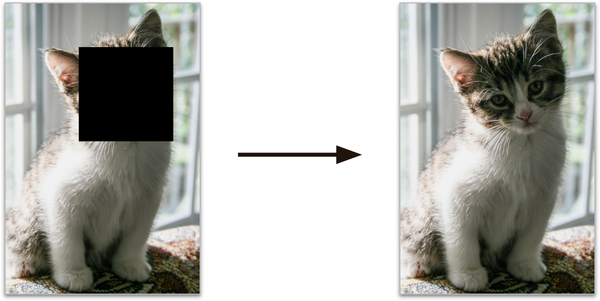
- Hands-On Machine Learning with Scikit-Learn, Keras, and TensorFlow (Aurélien Géron, 2019)
- Self Supervised Representation Learning in NLP (Amit Chaudhary, 2020)
Exploratory Data Analysis
- Explore patterns with graphs and summary statistics
- Distributions · correlations · outliers
- 💡 EDA shapes feature selection and preprocessing
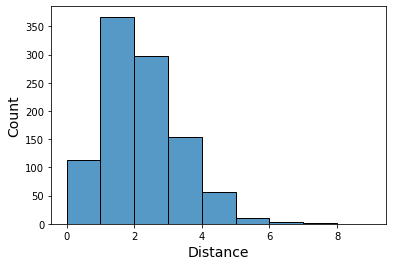
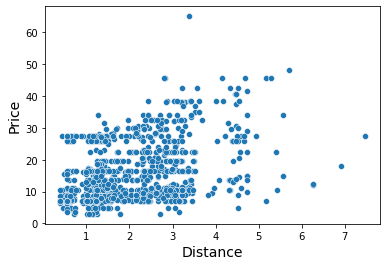
Machine Learning (zyBooks, 2025)
Classification Models
- Predicts categories from input features
- Output: discrete class labels — Yes / No
- Ex: accept or decline an offer
- Models: logistic regression, naïve Bayes, k-NN, decision trees, SVM, neural nets
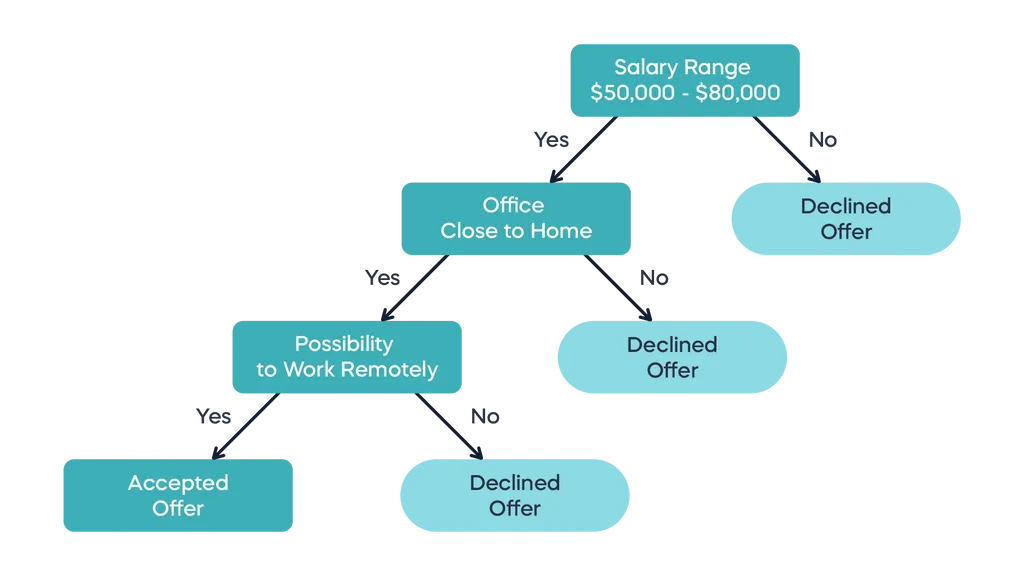
Introduction to Decision Trees: Why Should You Use Them? (The 365 Team, 2024)
Regression Models
- Predicts continuous numbers
- Output: a real value, e.g., $70,065
- Ex: predict the salary of an offer
- Models: linear regression, regression trees, k-NN regression
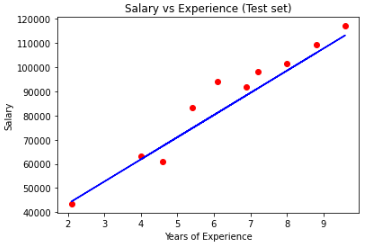
Simple Linear Regression model to predict the Salary based on Years of Experience (Yash Kulkarni, 2023)
Unsupervised Models – Clustering
- Groups similar observations — no labels
- Ex: K-Means, hierarchical clustering
- Use: customer segmentation, behavior profiling
- Output: cluster assignments (Cluster 1, Cluster 2)
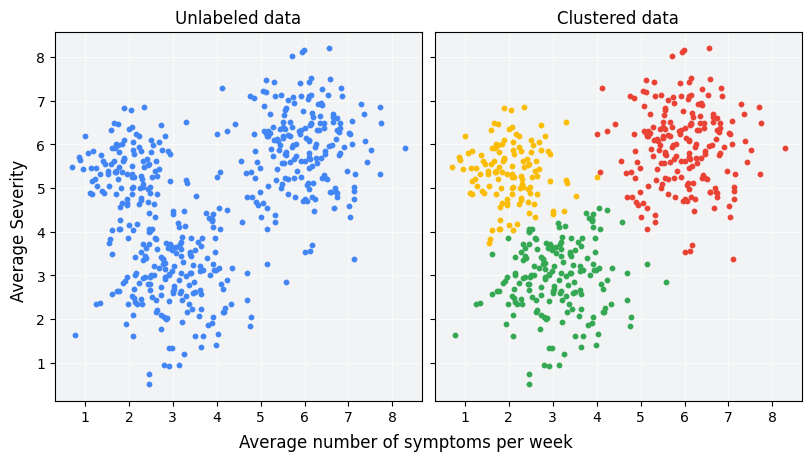
What is clustering (Google Machine Learning Education, 2025)
Unsupervised Models – Outlier Detection
- Finds rare instances that break the pattern
- Ex: DBSCAN
- Use: fraud detection, error checking
- No labels required — anomalies come from the data itself
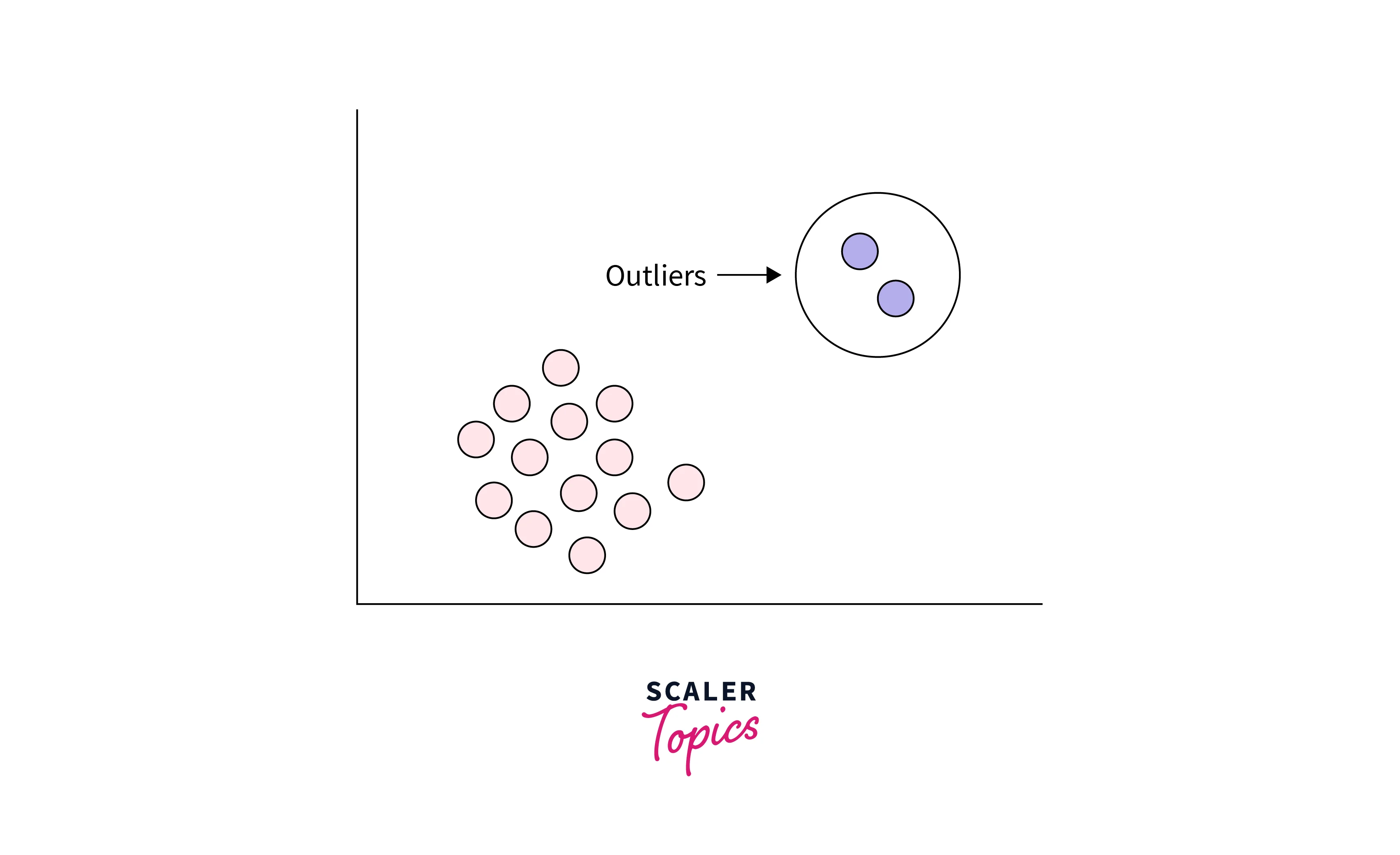
Outlier Analysis in Data Mining (Scaler, 2023)
Unsupervised Models – Dimension Reduction
- Simplifies high-dimensional data, keeps the structure
- Ex: PCA — combine distance & time into features capturing variance
- Use: compression, noise reduction, 2D visualization
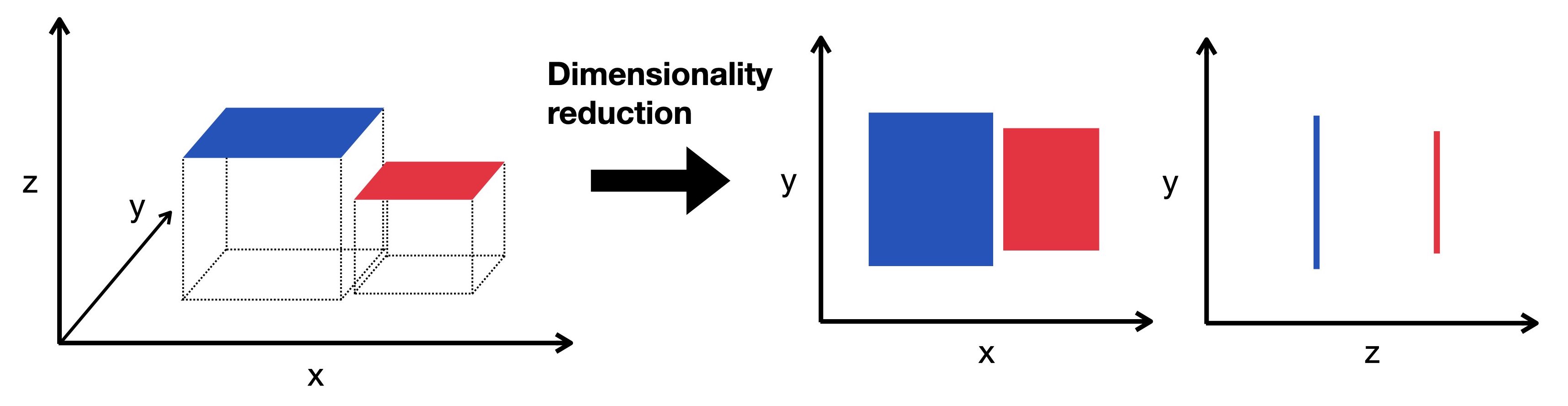
Dimension Reduction (Anna Schaar, 2023)
Generalization: The Goal of Machine Learning
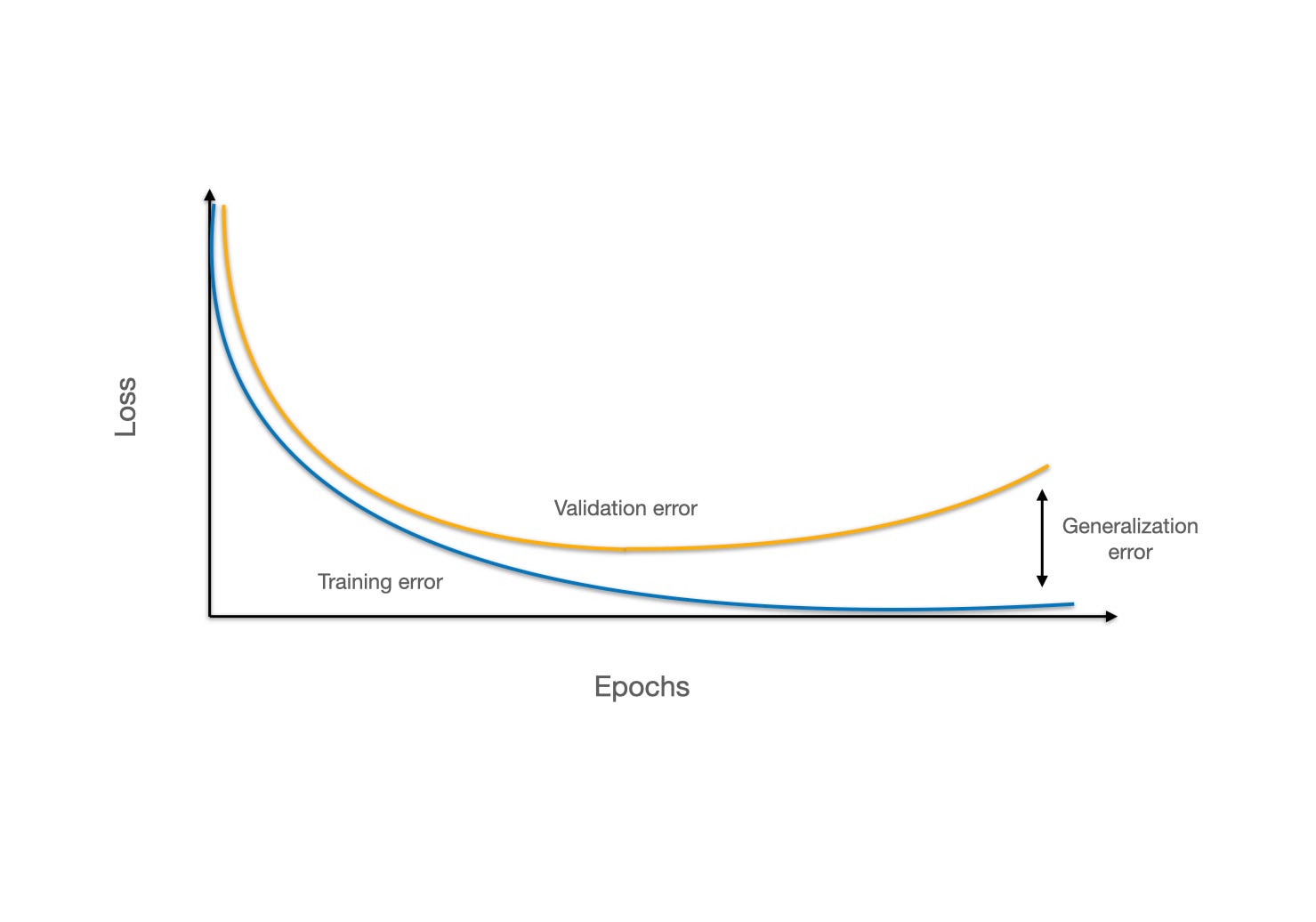
- A model that memorizes its training data can score 100% on it and still be useless
- What matters is performance on data it has not seen
- That target is generalization
- The test set estimates it: it simulates the future
What is Bias in ML?
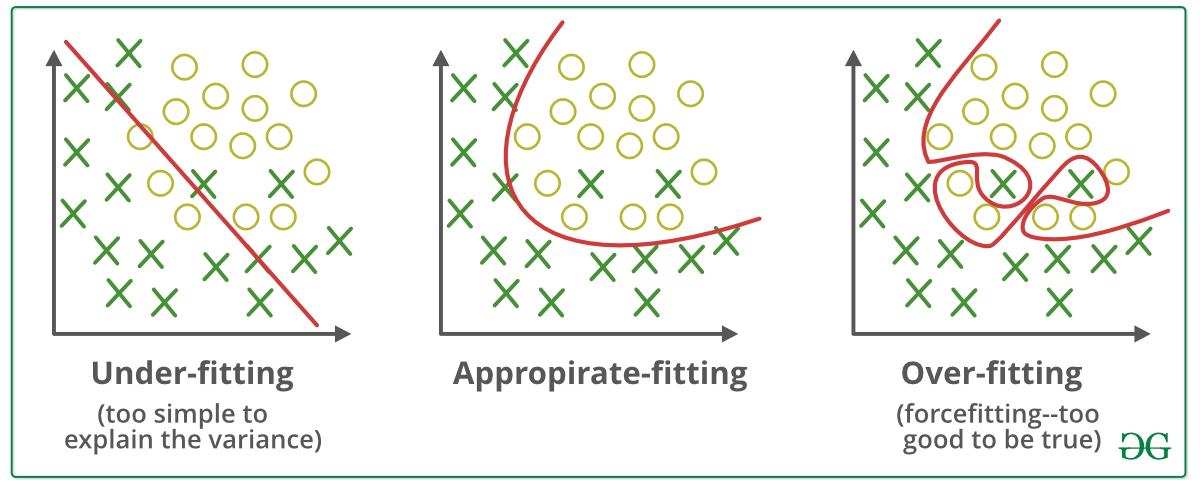
- Systematic error from overly strong assumptions
- Persists no matter how much data you collect
- High bias → too simple → underfits
- Ex: predicting every ride’s price with one constant
Predicted vs. Actual (Monolith AI, 2023)
What is Variance in ML?
- How much predictions fluctuate across subsets of the same data
- High variance → too complex → overfits
- Right on one dataset, wrong on the next
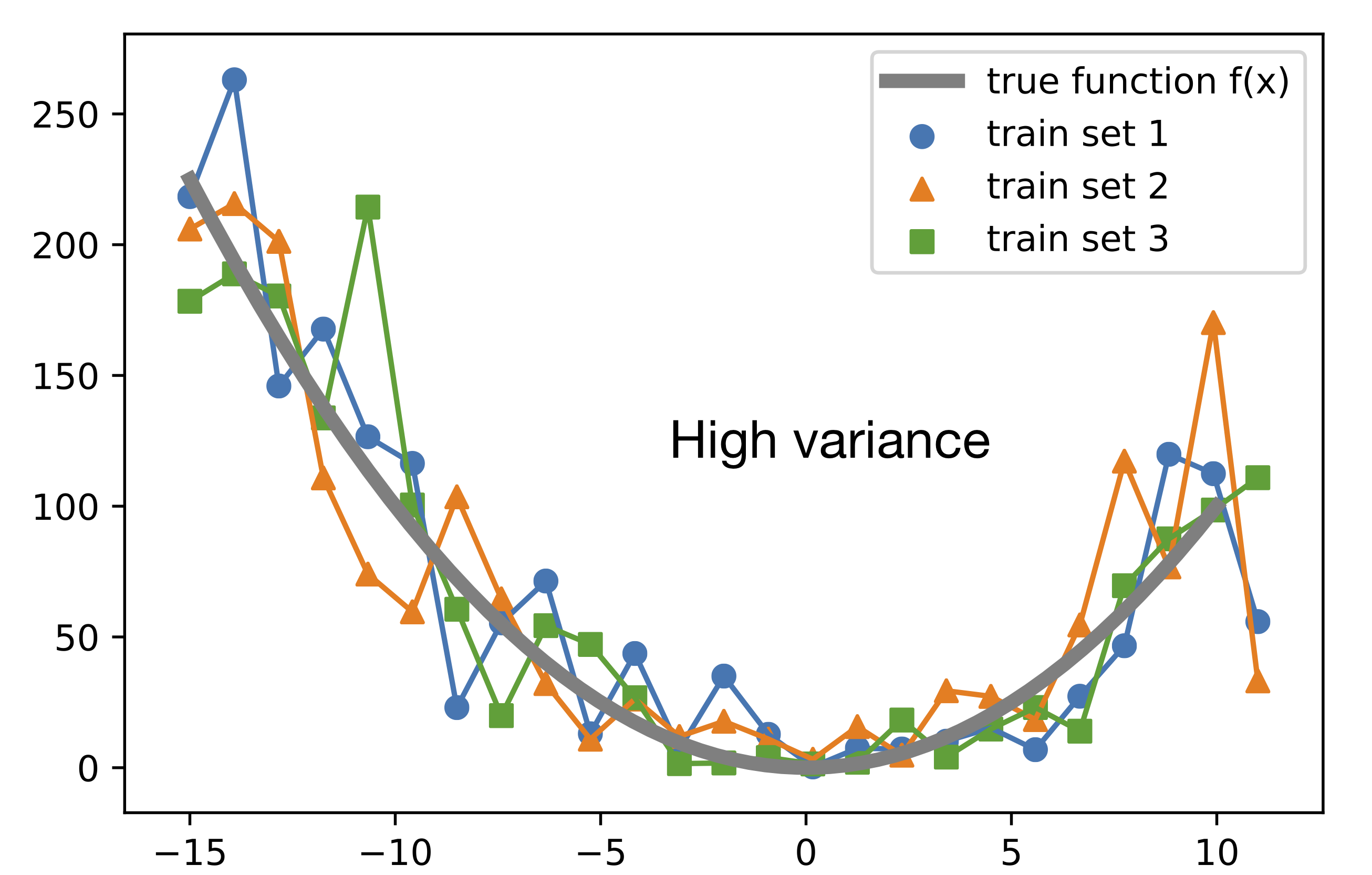
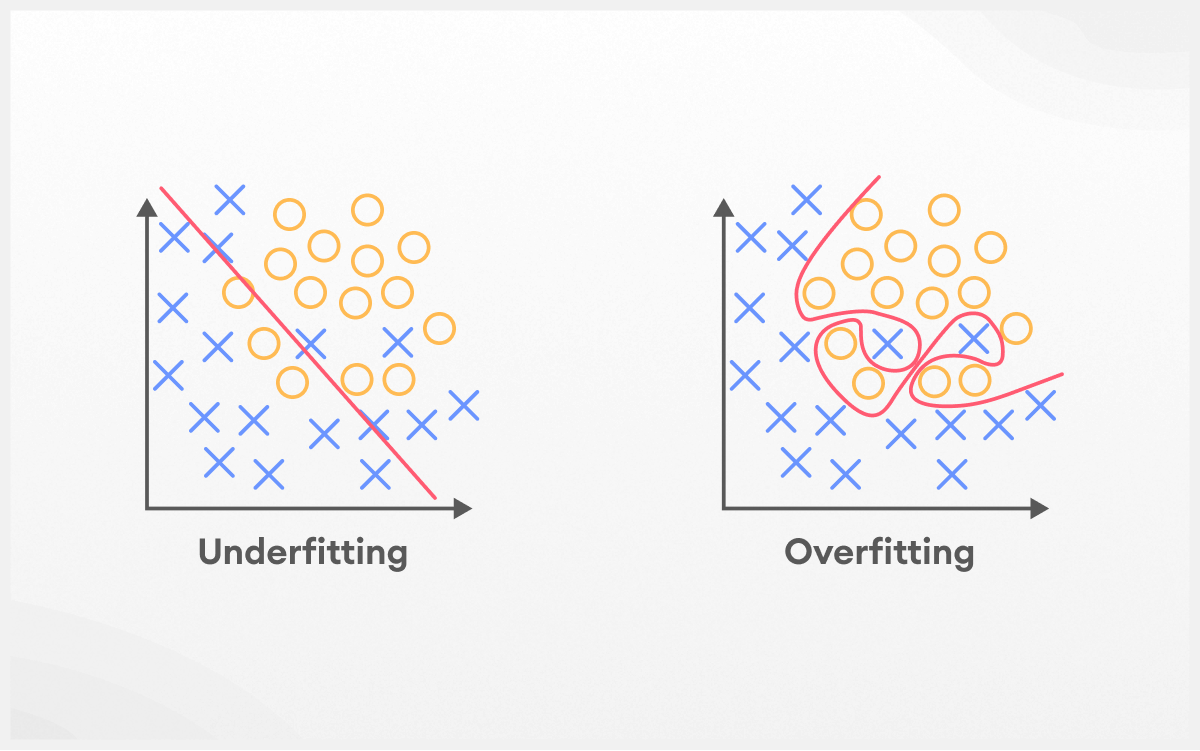
Bias-variance decomposition for classification and regression losses (mlxtend)
Bias-variance Trade-off
- Simple models: high bias, low variance
- Complex models: low bias, high variance
- Goal: the sweet spot — best generalization
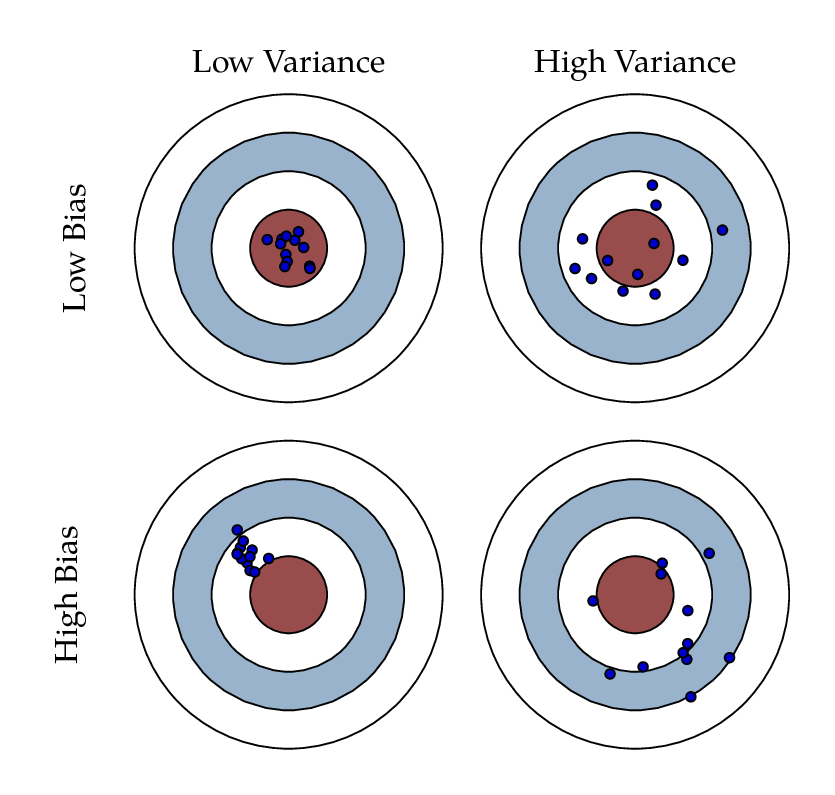
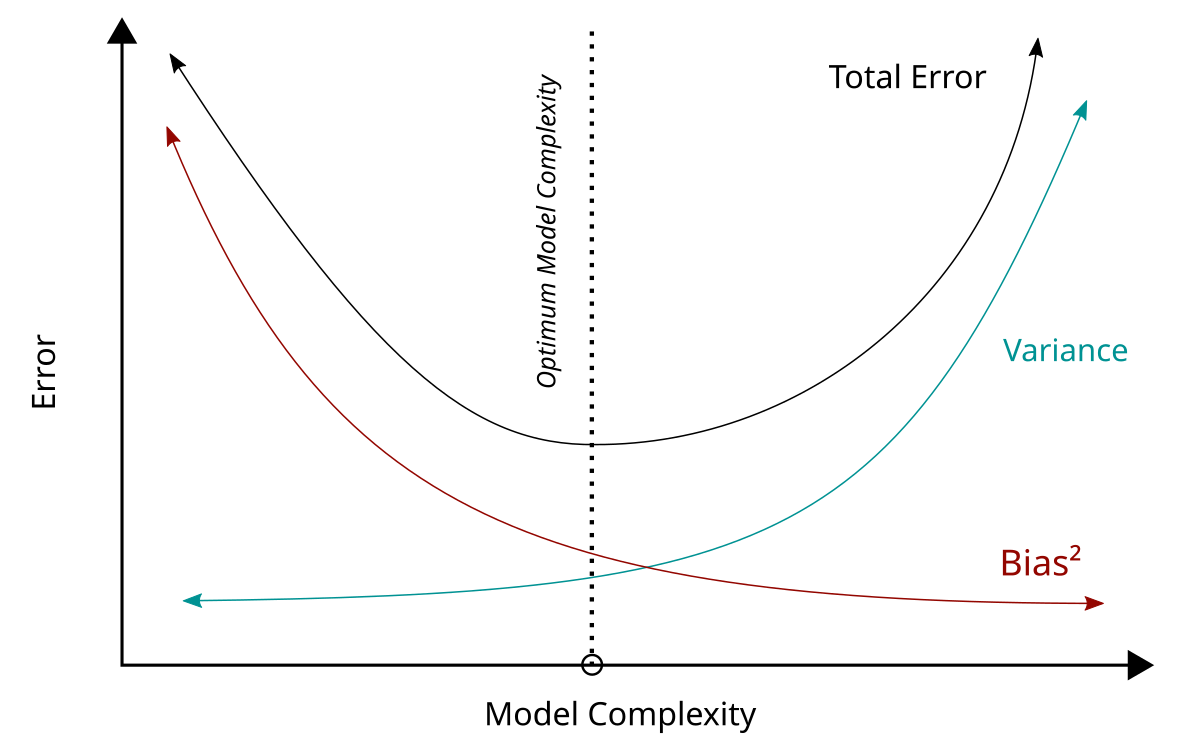
Bias–variance tradeoff (Wikipedia, 2025)
Generalizing
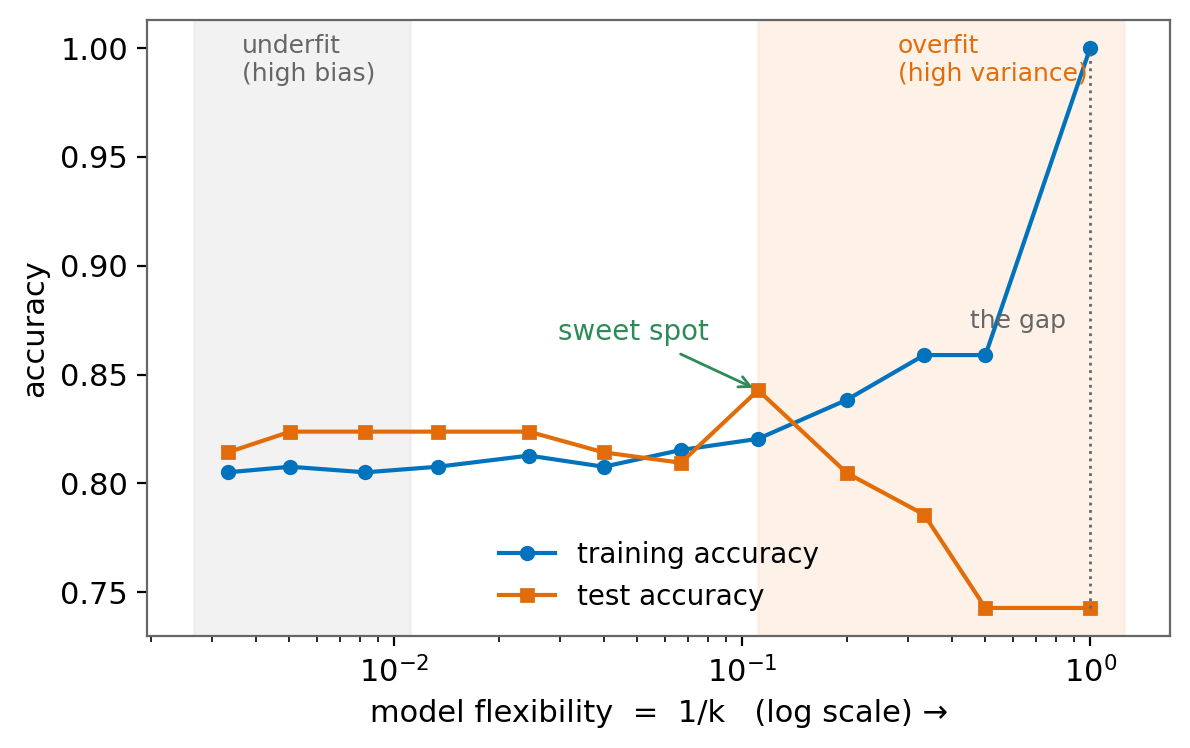
- Training accuracy rises monotonically; test accuracy rises, peaks, then falls.
- The goal is to find the sweet spot: enough model complexity to learn the underlying pattern in the dataset.
Knowledge Check
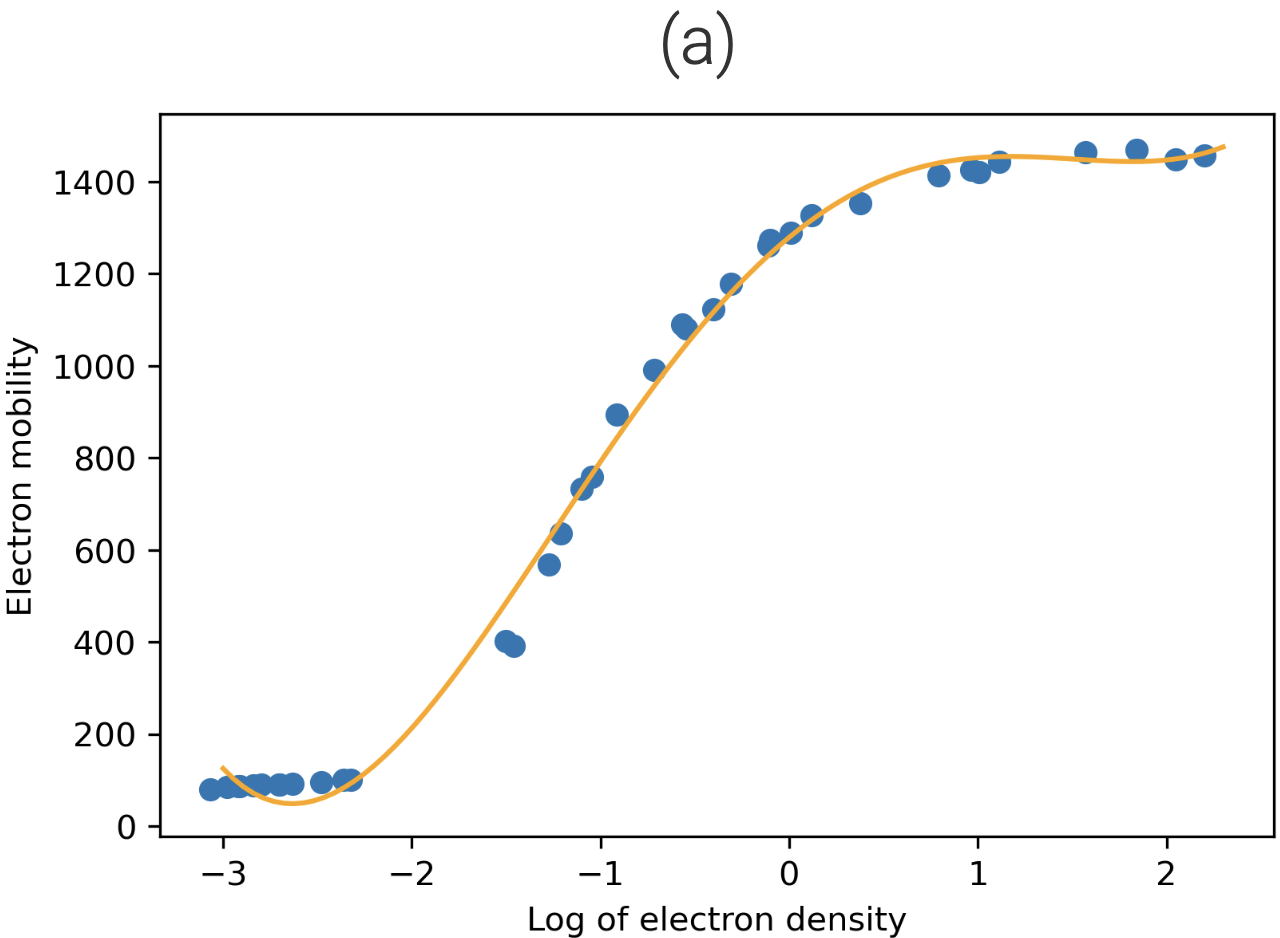
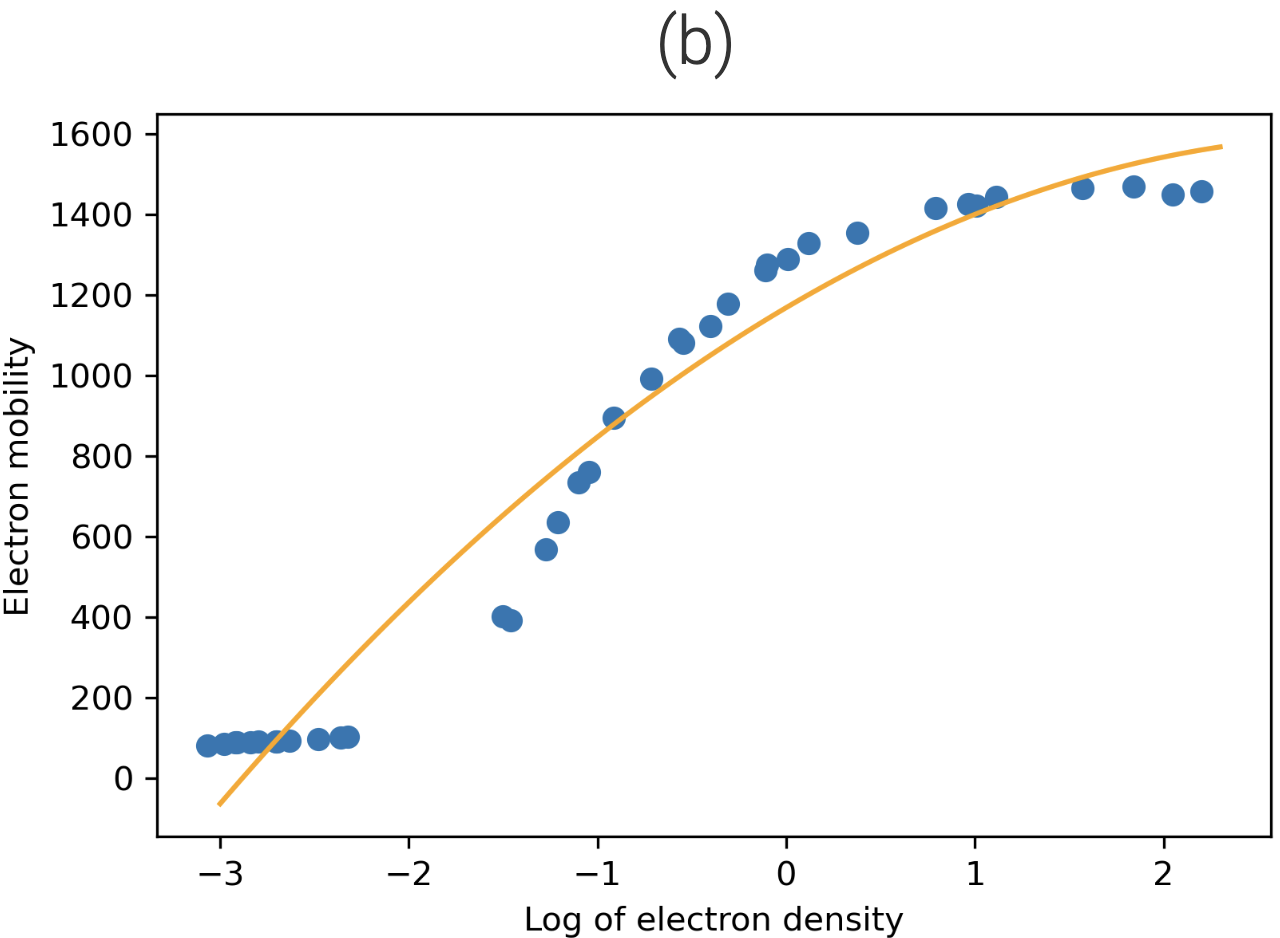
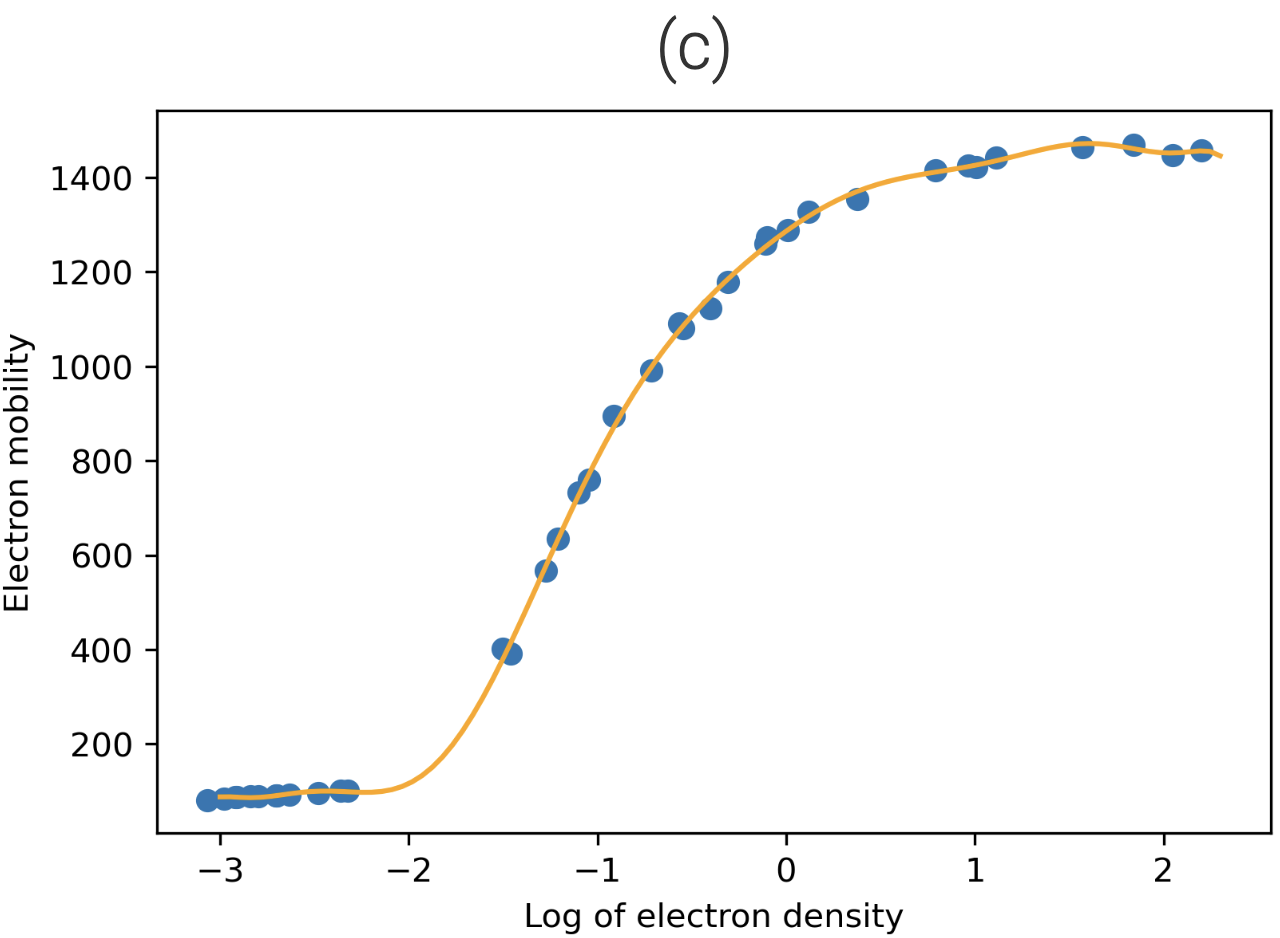
- Which model has the greatest prediction variance?
- Which model is most likely underfitted?
Machine Learning (zyBooks, 2025)
Introduction to scikit-learn
- Python library for building ML models
- Key concept: an estimator fits a model or algorithm
- Covers supervised + unsupervised models, preprocessing, training, evaluation

Practice: The ML Workflow
- Build a supervised learning pipeline, then evaluate it
- 📥 Download
modeling_the_ml_workflow.ipynbfrom Canvas - 🌐 Open https://colab.research.google.com
- ⬆️ Upload and run the notebook
DALL·E (ChatGPT), 2025
Further Reading
- 📘 A Hands-On Introduction to Machine Learning (Chirag Shah, 2022)
- 📖 Read Chapter 1
- Google’s ML Crash Course
- How to Prevent Overfitting (Ken Hoffman, 2021)